





The Summer Slide is the term used to describe students experiencing learning loss over the summer break, a phenomenon that disproportionately impacts low-income students who aren’t able to access other summer learning experiences.
For more than 10 years, BEF has boosted summer learning with a focus on improving reading skills by encouraging students to discover a love of reading with Summer Boost.
For summer 2025, BEF partnered with three elementary schools: Fir Grove, Springville, and Montclair to deliver programming aimed at eliminating the impact of “summer slide” and improving reading engagement through at home reading activities.
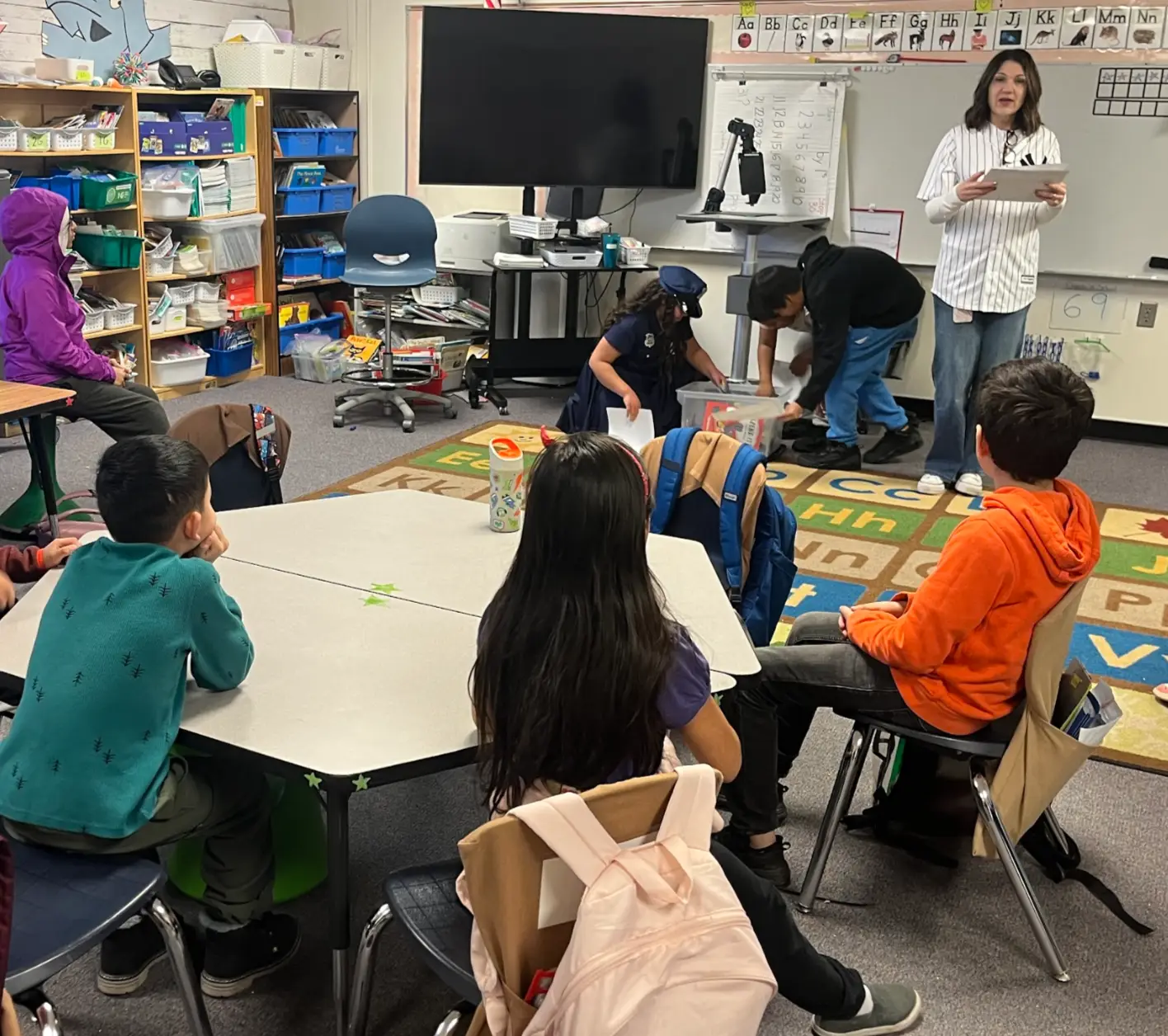
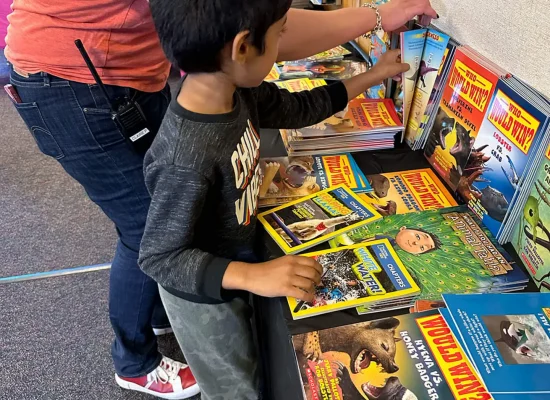
Before the end of the school year, the participating schools recruit students who were reading below grade level but working hard to become better readers. All participants in Summer Boost got the opportunity to select ten high-interest books that would motivate them to keep reading over the summer. Beyond the opportunity to “shop” for books, each elementary school hosted mid-summer meet ups or similar activities that incentivized students to keep reading.
Montclair Elementary reported back that 100% of their rising first graders who participated in Summer Boost gained at least one reading level over the summer as did 60% of rising second graders and 40% of rising third graders. None of their students had any regression in reading skills, meaning they conquered the summer slide — way to go!
Fir Grove Elementary had 117 students complete their summer Explorer Club program. Their program aims to maintain and boost improvement in both reading and math through at-home activities. Reading success was mixed: while only 46% of all participants were able to maintain or increase their reading levels, both students and families reported feeling more positive about reading overall. In math, 88% of all students maintained or grew their math levels over the summer and 90% reported they had more positive attitudes toward math as a result of spending their summer playing math games.
Springville Elementary took a dual approach to summer learning: a take-home book program for 118 students and a targeted intervention program for 26 students for a month. Of these students, 71% showed at or above rates of growth in their reading abilities, and 52% no longer needed reading intervention in the fall, freeing up spaces for students to receive additional support this year. Of the take-home students, 78% showed at or above average growth in reading, and no longer needed reading intervention.