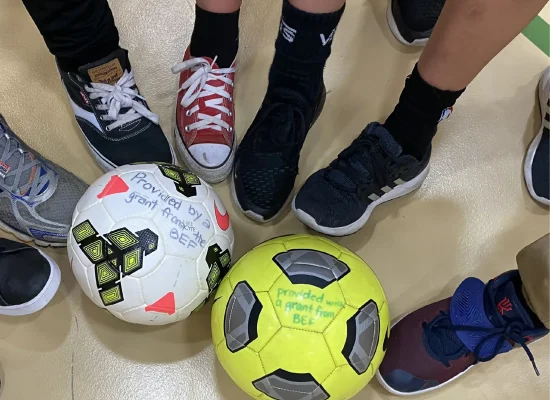




Since 2010, S4 has been BEF’s primary vehicle through which we deliver safe, supervised after-school programming and tackles chronic absenteeism and academic disengagement among middle school students. S4 has become a powerful model for incentivizing students to attend school. Core to S4’s success is its model of combining academic support—where students receive help with homework, organization, and problem-solving—with highly engaging, interest-based activities such as soccer, basketball, volleyball, and a variety of other interest and identity groups.
For the 2024-25 school year, S4 once demonstrated remarkable success in driving both attendance and academic effort through strategic accountability measures. As examples:
- Five Oaks Middle School successfully employed a strategic coupling model that required students to attend mandatory tutoring or Homework Club to participate in desirable activities like sports, resulting in an impressive club attendance rate of 94%, nearly 14% higher than the school-wide average. This commitment directly translated into measurable academic effort, with participating students reporting work completion rates equal to or better than their non-S4 peers.
- Mountain View Middle School similarly linked club eligibility to school attendance and Homework Club performance, leading to increased student attendance and ensuring students actively used the academic time to improve their studies.
- Academically, Highland Park Middle School reported that 60% of participating students saw an increase in their letter grades due to improved comprehension or homework completion achieved through the academic clubs.
Beyond academics, S4 also helps create spaces for social-emotional growth, belonging, and leadership development among middle schools students. For example:
Many schools prioritized offering culturally responsive affinity spaces, such as at Whitford and Cedar Park. These clubs become safe spaces for students to build relationships and feel “seen, heard, accepted, and understood”. These connections directly led to a greater sense of belonging:
Highland Park saw a marked increase with 90% of its students reporting they feel they “belong” and “matter” at school, up from 76% the prior year.
The clubs provide crucial opportunities to interact with and get to know peers. Whitford’s Game Club engaged both students lagging in social development and language skills. Both groups showed marked improvement in frustration tolerance, conflict resolution, and language acquisition over the year.
S4 also fostered positive behavior and leadership, as evidenced by students at Conestoga taking on leadership roles despite previous behavioral challenges, and at Tumwater, where both soccer and choir clubs became student-led by the end of May. Students, parents, and staff highly value the clubs as evidenced by the many positive testimonials included in the schools’ reports to BEF.
Ultimately, S4 uses the “hook” of fun activities to provide the support students need, proving that when students feel connected and motivated, their attendance and academic success follow. This structured environment strengthens students’ connection to the school community and builds the confidence and skills necessary for them to succeed in middle school and beyond.
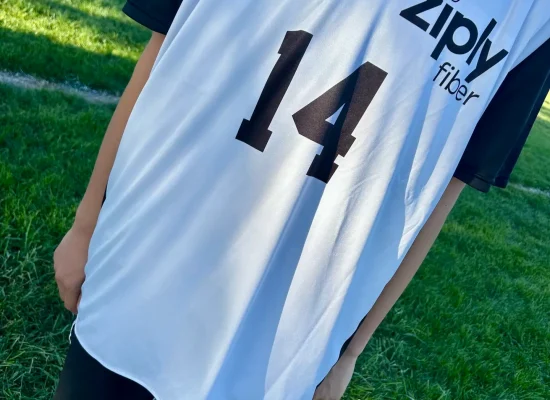
Finally, a special touch came through Ziply Fiber who helped all S4 students have brand new jerseys for all school competitions!