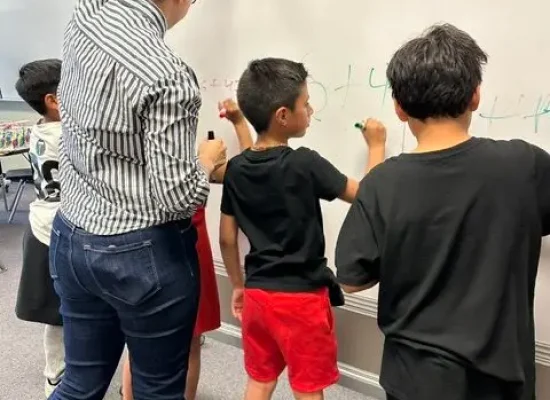

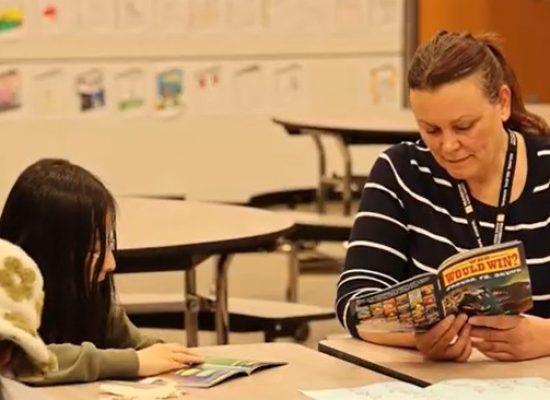



 With the close of the 2025-26 school year, BEF is hearing from educators about remarkable results for students in after-school academic programs. In partnership with educators at four Title I elementary schools, 500 students attended after school programs where they received additional support from educators to help they gain proficiency in reading and math. Collectively, students received an extra 3,966 instructional hours!
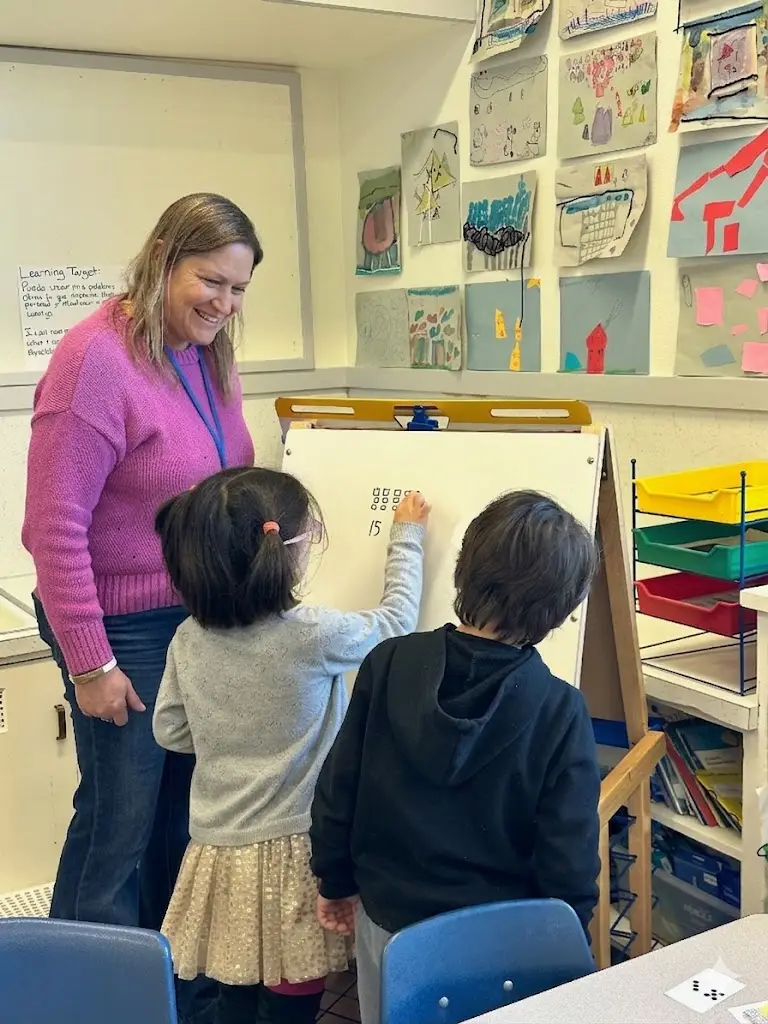
Chehalem Elementary School targeted students in grades 2-5, all of whom were below grade level in math and were current or ever English Language Learners. The program ran for one hour a week from October – May. Teacher Louise Yuda reported that “students enjoyed the group, had fun with math, and attendance was very good.” With small group instruction, 1:1 support from the four educators who stayed after, students’ overall confidence in math grew over the year. Club members also made impressive gains in math proficiency, with 17 out of 18 students increasing their STAR math scores compared to where they began. The program achieved an average growth of nearly 60 points, with fifth graders leading the way with a substantial 115-point average increase. Students reported the club helped them master multiplication and division while making math “really fun.”
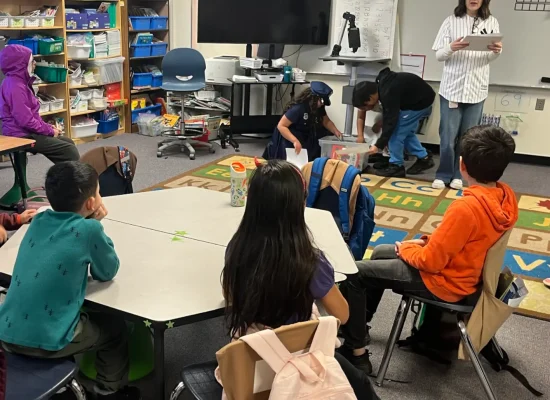
William Walker Elementary School provided academic support to 40 students in grades 1-3. All were emerging ELL students as well as below grade level in reading and/or math. Students attended one day a week for 2.5 hours after school, with activities covering reading, writing, language proficiency, art, and PE to keep students engaged. Teachers observed that “students are highly engaged and actively talking to one another, an important way for them to practice English. Attendance overall is very good, but one challenge continued to be a high mobility rate of students at the school. (Mobility refers to students who start the school year late, change schools midyear, leave school early, and/or arrive after extended periods of not being in school.) Despite students on the move, individual student data showed impressive growth, including reading score gains of over 200 points for students acquiring English. “Keeping kids safe and engaged after school is such a blessing,” noted one staff member.
Aloha Huber Park utilized their “Cougar Clubs” to reach 500 students in grades K-5 at this Dual Language school. This after school program’s focus was on general academic support combined with enrichment activities designed to increase reading skills and language proficiency. Homework help was integrated with fun activities such as learning Ballet Folklórico as well as developing math skills by working through Rubik’s Cube solving and exploration games. In a tracked subset of Cougar Club participants, 100% showed improvement in regular attendance. Literacy also improved: 110 students achieved reading growth at or above grade-level benchmarks. For 80 students, their reading grew by 20% over the year so that 50 students were now reading at grade level and 30 students were able to reach above their grade level. The program’s small-group instruction model is credited for allowing educators to focus on specific needs in fluency and comprehension, leading to the growth shown in spring test results.
Raleigh Hills Elementary provided support to a small group of multilingual students who became more proficient in English as well as in reading and math. The intensive support resulted in students successfully closing achievement gaps with their peers in both reading and math. By May, many of the students were performing at or nearly at grade level. Creating a welcoming space and emphasizing “student talk” during the sessions led to a breakthrough in speaking skills and increased English language usage and comprehension. Four students, who had previously not made progress, were able to pass their language proficiency tests, for example.
Learn more about the After School Program at William Walker ES.