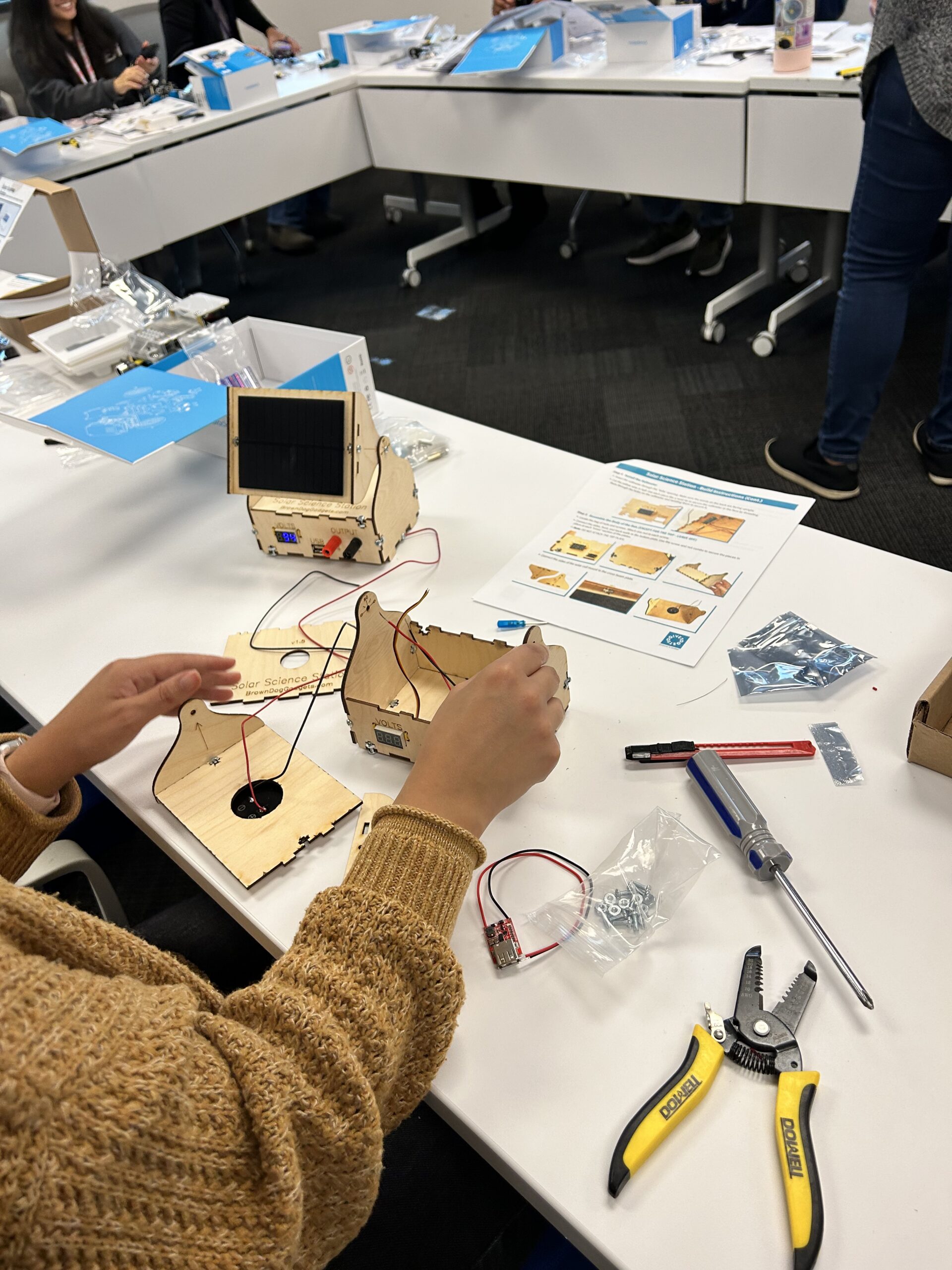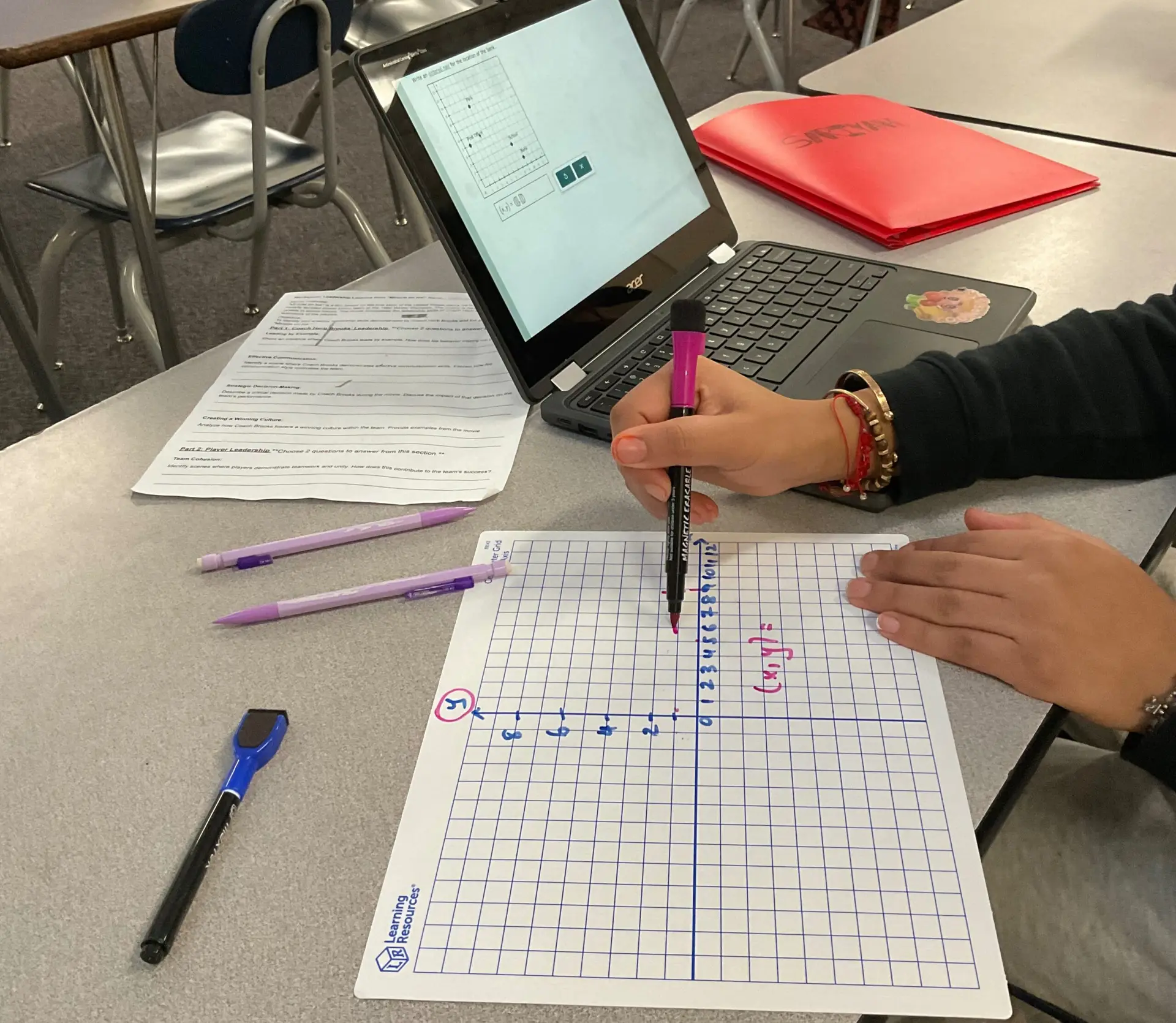
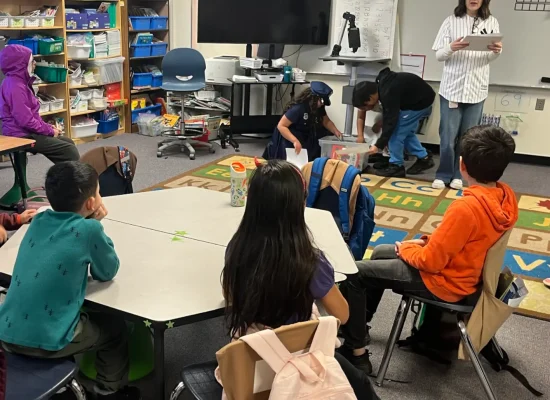



Chehalem Elementary School received support from BEF for after school academics targeted at students in grades 3-5, all of whom are below grade level in math and predominantly English Language Learners (ELLs). The program is offered 1 hour/week and runs October – May. This spring, Chehalem will add second graders who are behind in math. Early program success was evident, according to a Chehalem teacher: “Students are enjoying the enrichment group each week, and attendance is very good. As most students are multiple years behind in their math literacy, getting them ‘caught up’ is not the primary goal.” Key to this program is the extra support through small groups and 1:1 attention that increases students’ overall confidence in math and encourages students to feel comfortable asking for help when they don’t understand something. Teachers hope to instill a sense among the students that they ARE able to learn math with effort and persistence.
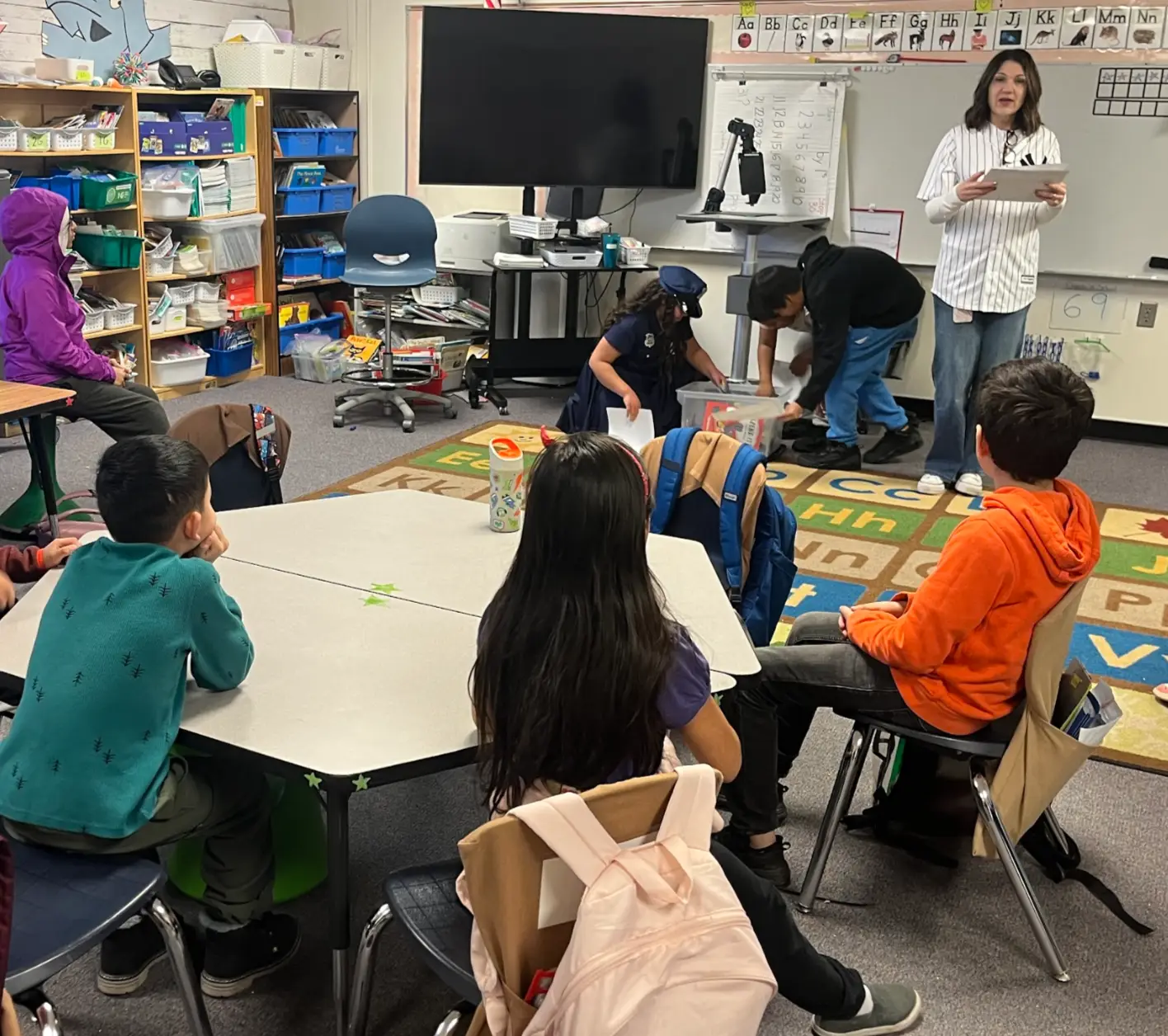
William Walker Elementary School received BEF funds to provide academic support to 40 students in grades 1-3. All are emerging ELL and below grade level in reading and/or math. Students receive 2.5 hours/ week with a focus on reading, writing and language proficiency, as well as physical activity, science, and art to keep students engaged. At William Walker, teachers share that “students are highly engaged and actively talking to one another, an important way for them to practice English. Attendance overall is very good, but one challenge has been a high mobility rate of students at the school.” (Mobility refers to the number of students who start school late, change schools midyear, leave school early, and/or arrive after extended periods of not attending school.)
In addition to working on academics, these programs seek to strengthen relationships among students as they find peers and make friends, between school and parents, and among classroom teachers with the academic coaches and paraeducators who provide the after school programming. Two of the participating schools, William Walker and Aloha Huber Park, are part of BSD’s Dual Language initiative. This educational strategy honors the diversity of the Beaverton community and helps ensure students have more access to rigorous academics as students don’t have to wait to be proficient in English and instead can learn subjects in their first language while learning English. This approach empowers students to become bilingual, biliterate, and culturally competent community members.