In a typical middle school ceramics unit, students are eager to begin building their projects. Unfortunately, valuable class time is often spent waiting while clay is hand-rolled or uneven slabs are corrected. With a clay slab roller in the art room, students quickly receive consistent slabs and can move directly into designing, problem-solving, and constructing their work. The slab roller not only increases efficiency but also empowers students to experiment with thickness, texture, and form, encouraging creative risk-taking and independence. As a result, more time is spent creating, collaborating, and refining ideas, transforming the ceramics project into a more engaging, equitable, and meaningful learning experience for every student. A clay slab roller will allow the middle school art program, serving approximately 180 students each year, to prepare materials efficiently and maximize instructional time. It will also give students consistent access to quality clay slabs for experimenting with shaping and construction techniques, benefiting hundreds of students for years to come. Please support our 180 budding artists by helping us secure a slab roller!
Share:

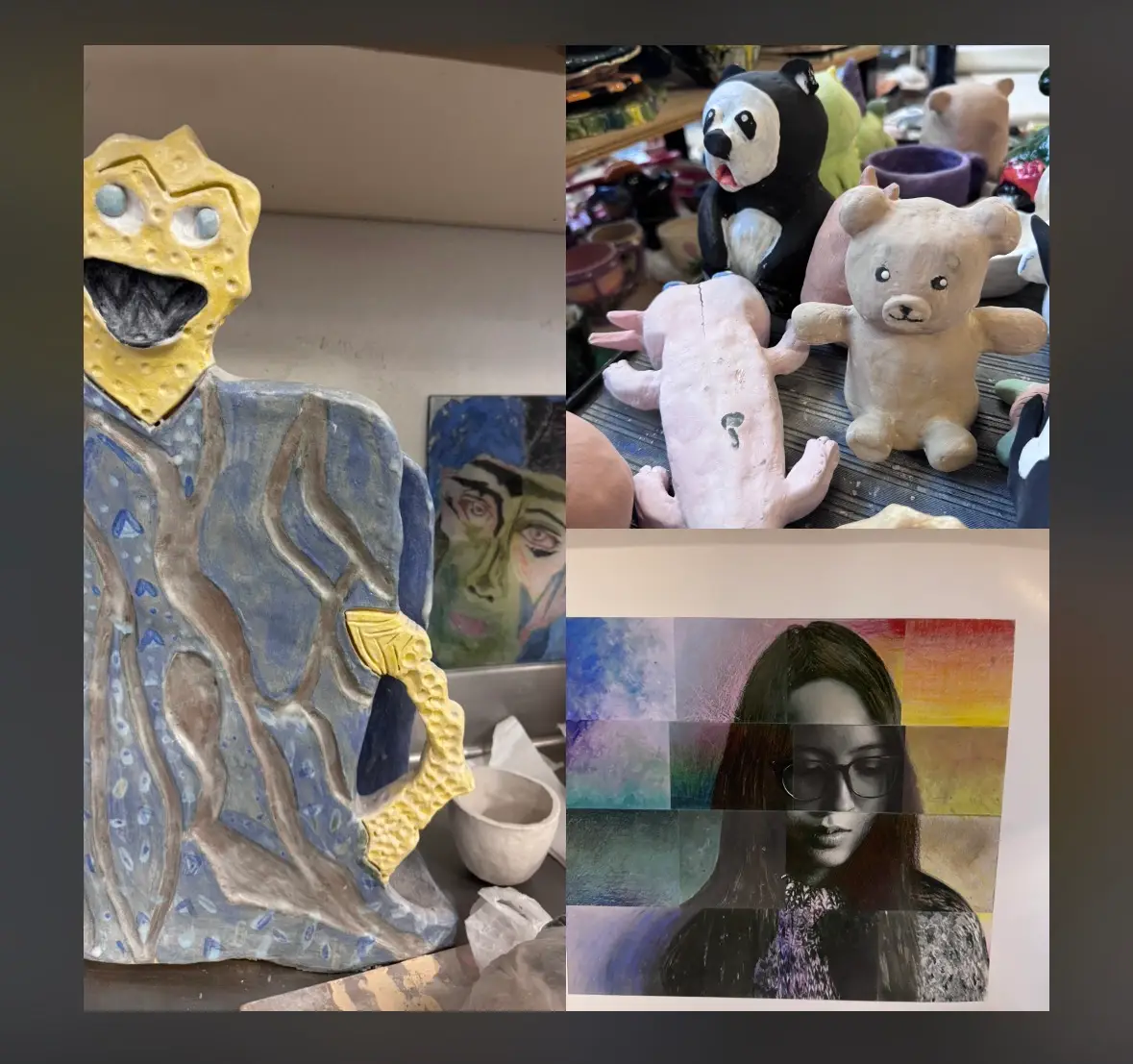
Westview ceramics students are ready to take their artistry to the next level, and we need your help to make it happen! We are raising funds for a high-quality printer that will bridge the gap between ancient tradition and modern innovation. With this technology, students won’t just be molding clay; they’ll be mastering digital image transfers and intricate surface designs that were previously out of reach.
A new printer will allow students to imprint personal photos and digital designs directly onto their ceramic masterpieces. This offers more professional- grade work to showcase creations in the hallways as well as community galleries. This project introduces career-connected learning by blending fine arts with modern digital production.
Every donation helps students see their digital vision come to life in 3D! Donate to “Clay Meets Technology” today!
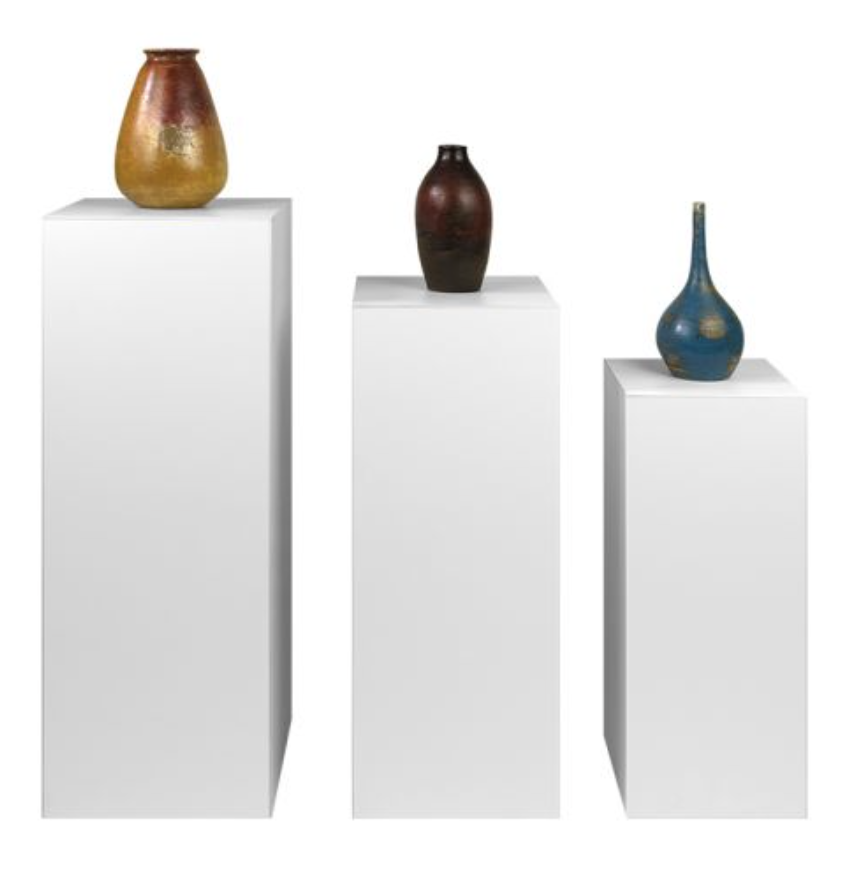
At Mountainside High School, our student artists are ready to take their work from the classroom to the gallery! The Mountainside Clay Club, National Art Honor Society, and IB Art students are launching a hands-on project to build professional-grade pedestals. These are essential for properly showcasing 3D artworks at community shows and IB Art Exhibitions, providing students with real-world experience and increasing scholarship opportunities.
Your support makes a difference for approximately 60 students who will build and paint these pedestals, gaining construction and career-connected skills. These pedestals will remain a permanent resource for future Mountainside artists in the coming years. Donate to the Pedestals for Student Art project today!
The Southridge Asian Student Union is launching a leadership initiative designed to empower students of color through identity‑based professional development. A field trip to a local nonprofit will provide interactive workshops focused on public speaking, confidence‑building, and identity‑driven leadership, along with a college and career fair that helps students explore future pathways and build a clear roadmap for their goals. To create school‑wide impact, funds will also support a diversity assembly for more than 1,500 students, where students of color share their culture and identity using the skills they’ve developed. This initiative strengthens both social and cultural capital, building a network of mentorship and long‑term leadership opportunities for students of color. Donations directly support these transformative experiences and help ensure that future affinity leaders have the tools, community, and confidence they need to succeed.

Many of Sato’s fifth graders have never experienced live theater, and this trip to Alice in Wonderland – A Jazz Musical will be their first chance to see a story come alive onstage. A familiar text will transform into music and movement, turning reading into something vivid and memorable. In class, students study character development, theme, author’s purpose, and figurative language. At the theater, they will watch these same elements unfold, deepening their understanding and enriching the discussions and writing they complete in the days that follow.
What makes this project especially meaningful is that every fifth grader participates. No child is excluded because of cost. All students—regardless of background—share the same moment of curiosity and discovery. For some, this may build confidence in reading; for others, it may spark an interest in music, theater, or storytelling.
By supporting this project, donors provide equitable access to the arts and help students experience literature not just on the page, but brought to life.

Although Sunset has a smaller Latino population than our fellow BSD high schools, there is strength in our diversity. Sunset has students whose heritages range from Mexico to Venezuela, Brazil and Colombia to name a few. We have focused on sharing our stories and goals this year during our club time, and we have established some community-building activities that include families such as Loteria Night and Dia de la Madre luncheon. The César Chávez Conference is a well-established and historical experience that has been in existence for over 30 years, and it is renowned for providing a space for our future leaders to meet distinguished speakers and participate in work sessions with these amazing mentors. We hope to join nearly 2000 Oregon students that will attend this year, and we thank you for your support of our Apollos.
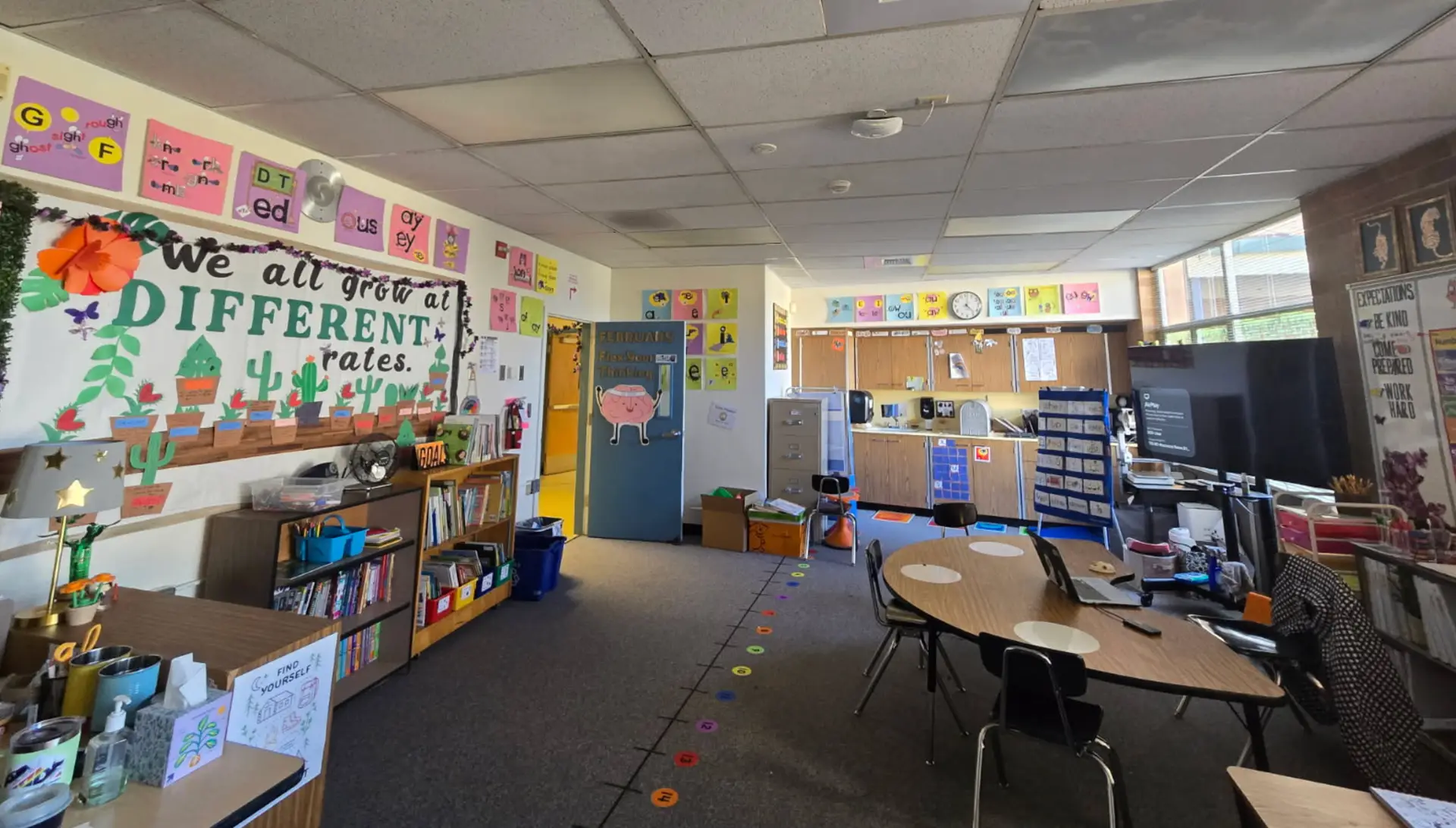
The Terra Linda Resource Room serves students who benefit from targeted instruction, adaptable learning options, and a space where their unique needs are recognized and supported. Our amazing learners are capable and motivated, but they often need specific tools to fully engage with instruction. By equipping our resource room with essential materials (like sensory fidgets and text-to-speech tools) to support social-emotional needs, academic gaps, and engaging activities, you can help support inclusive learning and student success.
Help us create a learning environment where our highest need students can take risks, build skills, and experience success. With your contribution, every student who enters our Resource Room will have access to the tools they need to thrive—without barriers and without compromise.

FLEX Online School recognizes that for many online students, anxiety and unfamiliarity create barriers to participation. We propose to remove some of those barriers by building trust virtually, then offering a in‑person experience centered on comfort and belonging. FLEX will power a multi‑month mental health initiative built on the uplifting Sources of Strength framework. Each month, students will engage with short, practical spotlight videos that teach healthy habits, self‑regulation, connection, and help‑seeking in a format that feels safe and accessible for online learners. These videos build confidence, normalize conversations about mental health, and give students tools they can use right away. Our project culminates in our joyful Sources of Strength De Stress Fest, an on‑campus wellness event where students can explore art, games, movement, shared meals, movies, and calming animal interactions—all designed to help students practice coping strategies while forming meaningful connections. Your support brings this to life, funding spotlight content, engaging activities, and take‑home De Stress Kits that help students grow their resilience.

For many students, performing in a choir is more than just singing. It’s a chance to build confidence, discover their voice, and connect with friends in a positive, creative after‑school environment. Choir programs also nurture leadership, teamwork, and a sense of belonging—skills that stay with students long after elementary school. At Raleigh Park, we want to continue to offer this opportunity to all 3rd–5th grade students, but we need support to make it happen. Together, we can create a space where students grow, shine, and feel proud of what they accomplish.
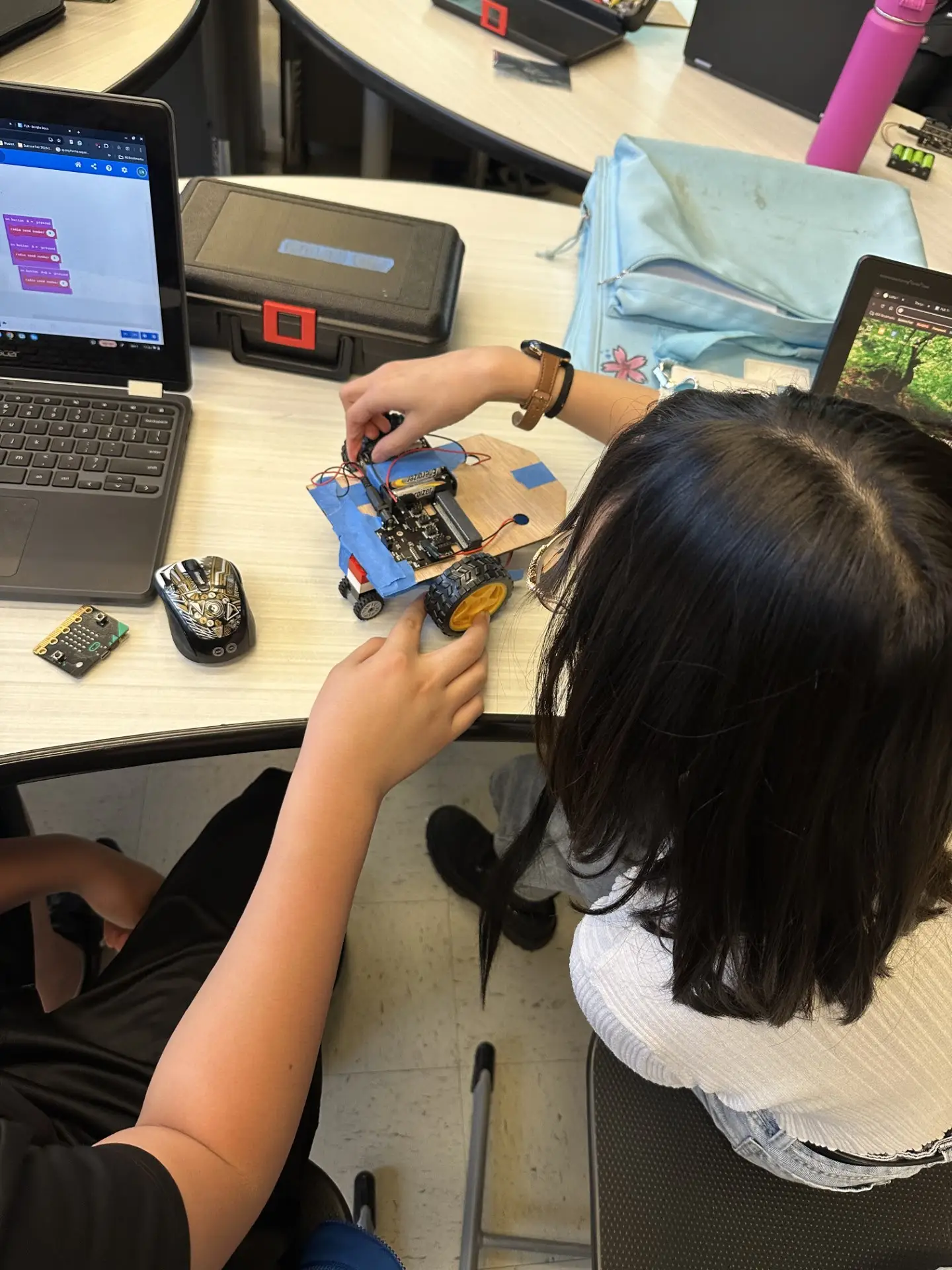
This year, our Whitford tech students are engaging with an engineering and design project combining multiple future-ready skills: coding, design, and engineering. They begin by learning how to program a Microbit using both blocks and text. Students program the Microbit to receive and display messages, operate small motors, and act as a light and temperature sensor. Additionally, they use CAD software to make vehicles that can be programmed to follow a course they create. The addition of a Motobit allows students to use larger motors that require more advanced programming and engineering to support multiple motors. Our project aligns with Oregon’s current Tech Standards as well as some of the Next Generation Science Standards. Most importantly, it is fun and engaging! Please support Whitford’s technology program with your donation today!